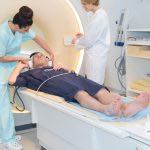




The average cost of an MRI in the United States is $1,325, though prices can range from $375 to $2,850.
One factor that can greatly affect the cost of an MRI is whether it is covered by your insurance. MRIs are generally covered by your health insurance if a deductible has been met, but patients may be responsible for out-of-pocket or copay costs depending on your health insurance plan.
The cost of an MRI will be substantially higher if you don’t have health insurance.
Another important element that can greatly affect the cost of an MRI is whether you have the procedure performed in an inpatient facility, like a hospital, or an outpatient surgery center. This is true even if you don’t have to stay overnight in the hospital. Outpatient centers are just as safe as hospitals but could save you thousands on your medical bill.
Based on our data, the target fair price for an MRI is $750.
- National Average: $1,325
- National Range: $375 – $2,850+
- Outpatient Facility Average: $650
- Inpatient Facility Average $2,250
- Target Fair Price: $750
Below, you’ll learn what factors into the cost of an MRI, as well as how to find a fair price.
MRI Cost Averages Around the Country
Specific MRI Procedures and National Cost Averages
Which factors affect the cost of an MRI?
Many things can affect the cost of healthcare, regardless of which type of test you’re getting. Generally, there are three factors that cause healthcare costs to vary:
- Facility setting — Where you have your MRI done affects the cost. Having an MRI done in a hospital costs far more than having the same test done in an outpatient center. Since inpatient facilities tend to cost more to run, patients end up paying more for care.
- Insured or uninsured — The price of an MRI can vary between insurance providers. The change in price largely depends on how much your insurance plan covers if any at all. If you don’t have health insurance, you can expect to pay for the full cost of an MRI out-of-pocket.
- Location — The region, state, and even city you live in can affect the cost of your MRI. If you live in a rural area with fewer facilities to choose from, you can expect to pay more than you would if you lived in a city with many providers. Traveling for healthcare could save you money.
Inpatient vs. outpatient facility cost differences
The cost of an MRI will vary greatly between inpatient and outpatient facilities. The national average cost for an MRI at inpatient facilities is $2,250, while the same procedure at outpatient facilities averaged $650.
Insured vs. uninsured cost differences
Insured patients have historically paid less than uninsured patients for an MRI, especially when they stay in-network. When a patient has insurance, they share payment responsibility with their insurance company. For patients who don’t have health insurance, the cost of their MRI falls on them and, ultimately, costs more.
In-network vs. out-of-network cost differences
In-network refers to a healthcare provider or facility that has a contracted rate with a health insurance company. This rate is usually much lower than what someone would pay out-of-pocket; in-network providers are almost always cheaper than out-of-network providers. This does not apply to patients who are uninsured—without insurance, you shoulder the full cost of your medical procedure.
Payment responsibility
Nearly everyone who has MRI will have to pay some of the cost out-of-pocket. Uninsured patients will be responsible for the total cost of the MRI.
Patients who do have health insurance will be responsible for paying their deductible, copay, and coinsurance amounts. The amount of each of these costs depends on your health plan.
Your MRI checklist
1. Review the total cost of an MRI with your doctor. Ask them to explain the cost and keep a record. If you get a medical bill that’s higher than you expected, this information will come in handy.
2. Ask your doctor if they can perform the test in an outpatient setting.
3. Check that all providers are in-network. Sometimes a provider who treats you will be out-of-network.
4. Ask what the typical cost is if the doctor finds other areas that need to be further investigated.
Finding a fair price for your MRI
While the national average for an MRI is $1,325, knowing how much you should pay can be confusing. New Choice Health takes the guesswork out of health care by allowing you to compare facilities and see what the fair price for your procedure is. Use New Choice Health’s comparison tool to save money on your MRI!